What Ariadne’s Thread Actually Means
Theseus was a hero of Greek mythology, the man credited with founding Athens as we’d recognise it, but the story most people know him for happened earlier, when he was young enough to still be proving himself rather than ruling anything.
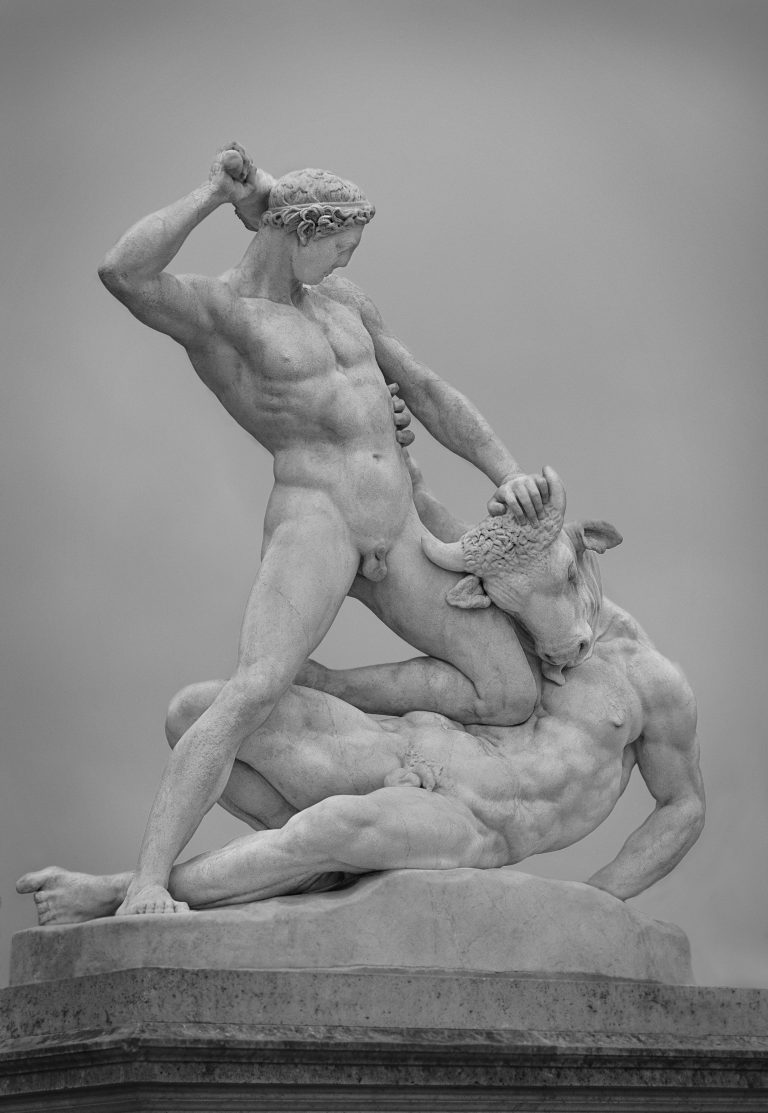
Every nine years, Athens was forced to send fourteen young people, seven men and seven women, to the island of Crete as tribute. There, they were fed to the Minotaur, a creature with the body of a man and the head of a bull, kept inside a structure called the Labyrinth. Theseus volunteered to be one of the fourteen, not because he was ordered to, but because he wanted to end the cycle for good.
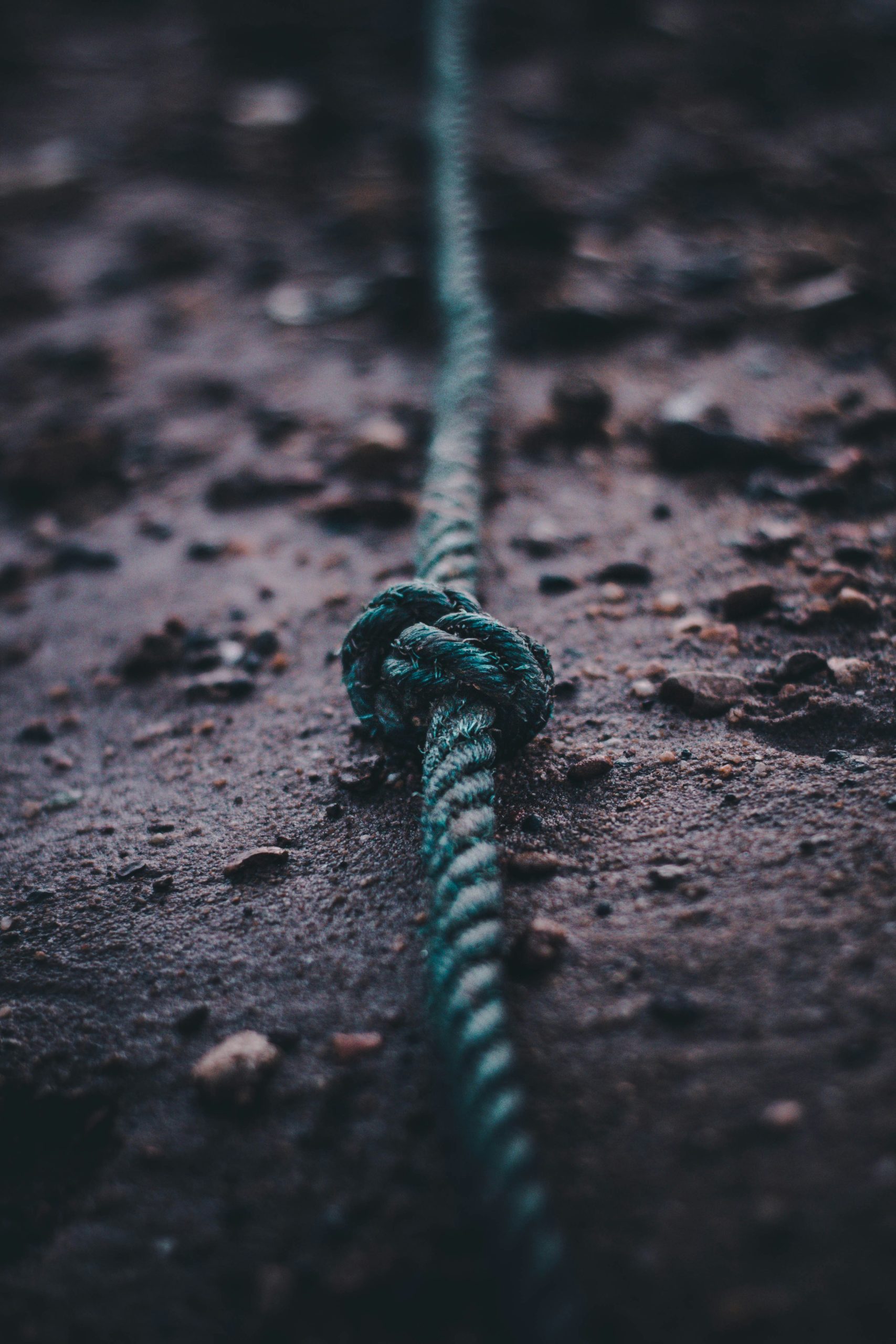
Before he entered the Labyrinth, Ariadne, daughter of the Cretan king, fell for him and gave him a length of thread. Everyone remembers the Minotaur. Fewer people stop to think about the thread, even though it’s arguably the stranger and more interesting object in the whole story.
What the thread actually was
The Labyrinth wasn’t a maze in the sense of a garden hedge puzzle you might walk through for fun. It was designed by Daedalus, a master craftsman, specifically so that no one who entered could reason their way back out. The corridors folded back on themselves deliberately, built to remove any sense of direction from whoever walked its passages, until left, right, forward, and back all stopped meaning anything useful.
Ariadne’s solution was simple in mechanics, complicated in what it actually did. Theseus tied one end of the thread near the entrance, then unwound it behind him as he walked deeper into the maze. The idea being, once he’d found the Minotaur and dealt with it, he could follow the thread back the way he came, rather than trying to navigate a structure built specifically to prevent exactly that.
It wasn’t a map
Here’s the detail worth sitting with. The obvious assumption is that the thread worked like a map, some kind of guidance system telling Theseus which way to turn. It didn’t. The thread had no knowledge of the Labyrinth at all. It couldn’t tell him where the Minotaur was hiding, which corridors led anywhere useful, or which turn came next. All it did was run backward, in a single straight line, to the one fixed point he’d tied it to before he ever went in.
That’s a much stranger object than a map. A map tells you where to go next. The thread told him nothing about where he was going. It only ever pointed to where he’d already been.
The use was never in the walking
This is the part of the myth that’s easy to skip past. Theseus still had to actually find the Minotaur himself. He still had to fight it, with no help from the thread whatsoever. Every step he took deeper into the maze, every wrong turn, every moment of genuinely not knowing whether he was getting closer to the centre or hopelessly lost, none of that was solved by anything Ariadne had given him.
What the thread did was something quieter than solving the maze. It meant that however far in he went, however disoriented the corridors made him, there remained a way to retrace the path back to where he’d started. Not because the thread knew the way out, but because its existence proved a connection still existed between the person walking further into the dark and the person who’d tied the first knot in the daylight, before any of it began.
Why this detail outlasts the plot
Most retellings of this myth are remembered for the monster. This one’s worth remembering for its string instead. Because what the thread actually represents isn’t rescue in the way people usually mean it, it’s continuity. It’s the idea that a person can walk into total disorientation, somewhere offering no reliable sense of direction at all, and still come back out the other side recognisable, still connected to whoever they were before they went in.
That’s a very different shape of story to “hero defeats monster.” It’s closer to this: you can walk into something that scrambles your sense of direction completely, face whatever is waiting at the centre of it, and still find your way back to yourself, provided something kept you tethered while you were in there.
The Minotaur gets the glory in every version of this story. The thread does the actual work.
Sculpted through evolution
This is where the myth stops being ancient history and starts saying something about now. Nobody moves through change in a straight line. Growth doesn’t work like a map either, laid out clearly in advance with each turn marked before you take it. It works more like the maze, disorientation first, and only afterward some sense of what any of it actually meant.
What matters in that process isn’t avoiding the maze itself, everyone ends up walking into one eventually, uninvited and usually unprepared. What matters is having something that keeps a line back to who you were, so that whatever you find waiting at the centre, and whatever it takes to face it, you come out the other side still findable. Not unchanged. Just still, somehow, you.
That’s the whole idea behind Sculpted through evolution. Not a single decision that remakes a person overnight, and not pure chance either. A shape built slowly, corridor by corridor, still recognisably yours by the time you reach the end of it.
The Minotaur is whatever’s waiting at the centre of your own particular maze. That part changes depending on who’s asked. The thread is the constant. It was never about getting out. It was about staying connected to yourself while you found your own way there.
3 Comments